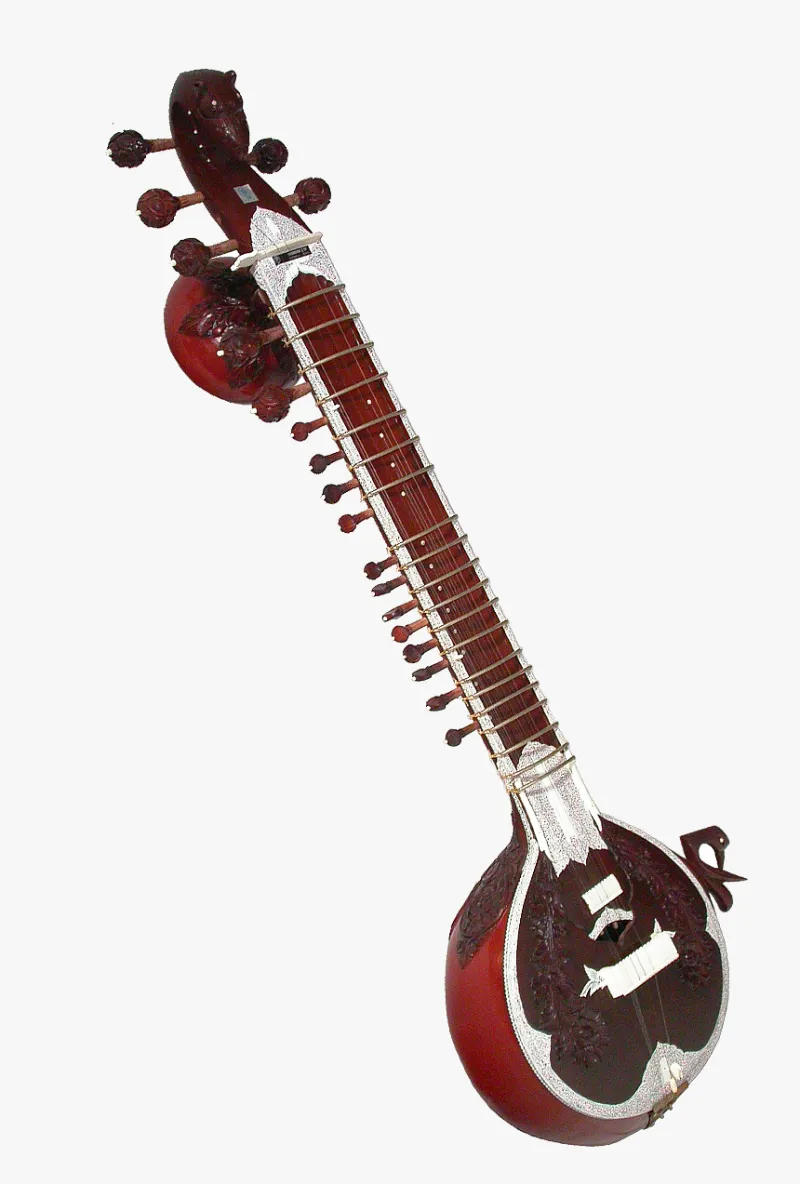
The Shoes Come Off at the Door: A Practical Manners Guide for Adult Beginners in Regional Dance
Photo: Unknown authorUnknown author or not provided, Public domain, via Wikimedia Commons
So you have signed up for an adult beginner class in a regional Indian dance form—maybe Bharatanatyam, Kathak, Odissi, or Manipuri—at a studio in your city. You are not a kid. You are not trying to become a professional. You just want to learn something new without accidentally being rude. Good news: most teachers are delighted to have you. The etiquette is less about perfect rules and more about paying attention.
Every studio is different. Some are attached to temples or cultural centers. Some are in converted office spaces. Some are run by dancers who trained in India and now teach in the U.S. Some are run by second-generation Indian American artists. The vibe can range from formal to very relaxed. What stays consistent is that you are entering a living tradition, not a fitness class with exotic music. That does not mean you have to be solemn. It means you should be curious and careful.
Before You Go: What to Wear and What to Leave at Home
Wear comfortable clothes you can move in. Leggings, athletic pants, or loose cotton trousers are usually fine. A fitted T-shirt or tank top is fine. Avoid jeans if you can; they restrict movement and can be uncomfortable on the floor. If you are taking a class that involves a lot of sitting or kneeling, soft fabric helps.
You will probably dance barefoot. That is normal. Do not wear street shoes onto the dance floor. Bring flip-flops or socks for the walk from the changing area to the studio. If you have a foot injury or a medical reason to keep socks on, ask the teacher before class. Most teachers will work with you.
Leave heavy jewelry at home. Dangling earrings and long necklaces can get caught. Keep your hair tied back if it is long. Bring water. Do not wear strong perfume or cologne; studios can be small and poorly ventilated. And do not bring a friend to watch unless the studio says observers are welcome. Some classes have open viewing days. Most do not.
The Shoe Pile Is Not a Test
In many studios, you will see a pile of shoes near the door. That is not a sign that you have entered a sacred space you are not allowed to touch. It is a practical rule: street dirt stays off the floor where people put their hands and feet. Follow the pile. If there is no clear spot, ask where to leave your shoes.
Bare feet can feel vulnerable, especially in a new room. That is part of the learning. You will hear the teacher's footwork better. You will feel the floor. You will also notice that everyone else is in the same position. Nobody is judging your pedicure.
Props, Instruments, and the Word 'Borrowed'
Regional dance classes use props and instruments: ankle bells, scarves, small cymbals, sticks, and sometimes drums. You may be handed a scarf for a movement exercise. You may see a harmonium or a tabla in the corner. You may be invited to try a rhythm on a practice instrument.
Wait for the invitation. Do not pick up an instrument and tap out a beat because it looks fun. Instruments are often personal, expensive, and cared for in specific ways. A tabla is not a hand drum you can slap however you like. A mridangam has a delicate head. Ghungroo bells are heavy and can damage a floor if dragged.
If you are handed a scarf or a prop, treat it like a loan from a friend. Do not knot it tightly, do not step on it, and do not take it home. Ask where to return it. If you are not sure how to hold something, say so. 'Can you show me the right way?' is a perfectly good question.
Questions That Open Doors
Most teachers would rather answer a question than watch you guess. Good questions include: 'What should I call you?' 'Should I use my right hand for this?' 'Is it okay if I sit out this section?' 'How do I address the musicians?' 'What should I practice at home?' 'Is there a way to watch this step again?'
Those questions show respect without making the teacher do emotional labor. They are practical. They are about the class, not about the teacher's identity.
Questions that tend to land sideways are the ones that treat the form as a novelty. 'Is this like yoga?' 'Why do you worship that?' 'Can you show me the exotic part?' 'Do you actually believe all this?' Those questions can be genuine, but they put the teacher in the position of explaining their whole culture on the spot. If you are curious about history or religion, ask after class or read up first. Then ask a more specific question. 'I read that this gesture refers to a deer—is that right?' is better than 'What does all of this mean?'
Also: do not ask a teacher to perform for you on demand. You are in a class, not a private show.
The Small Missteps That Aren't Disasters
You will probably make a mistake. You might arrive late and step onto the dance floor with your shoes on. You might clap at the wrong time. You might use your left hand to offer something without thinking. You might call a form by the wrong name.
Apologize simply and move on. 'Sorry, I am still learning' is enough. Do not grovel. Do not make the teacher reassure you for five minutes. Beginners are expected to be beginners. The bigger misstep is pretending you know more than you do or ignoring a correction.
Reading the Room
Pay attention to how the class is structured. You may start with a warm-up, then footwork, then hand gestures, then a short sequence. You may sit on the floor for part of it. If sitting on the floor is difficult, ask for a chair. That is not a failure. It is an access need.
Watch the more experienced students, but do not copy them blindly. They may be doing a variation. Follow the teacher's instructions first. If you are lost, keep moving gently and watch the teacher's feet. Do not talk through the demonstration. Do not correct another student. Do not record video unless you have explicit permission. Some studios allow it for practice; many do not.
After Class: How to Leave Well
Thank the teacher. If there are musicians accompanying the class, thank them too. Ask about the next class or the best way to practice. Pay on time. If you borrowed a scarf or an instrument, return it where you found it. If you have feedback about the studio—good or bad—save it for a private message or a quiet moment, not the middle of class.
And if you did not understand everything, that is fine. You are not supposed to. The point of a beginner class is to come back. The etiquette is simple: be on time when you can, be barefoot when asked, borrow only what is offered, and ask questions that show you are paying attention. The rest you will learn by showing up.