Beyond the Stacks: How U.S. Libraries Became Unlikely Dance Floors in 2026
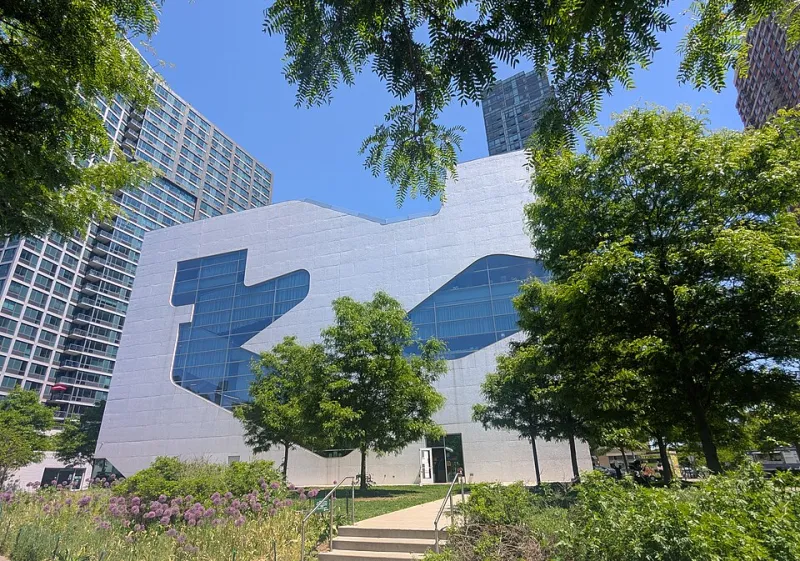
Photo: Nanagrams, CC BY-SA 4.0, via Wikimedia Commons
Walk into a suburban public library on a Tuesday afternoon and you might hear something you did not expect between the fiction stacks: ankle bells, a tabla groove, or a teacher counting out a rhythm in a meeting room. Across the U.S., public libraries are quietly becoming some of the most accessible places to encounter regional dance and music up close. Not as a novelty, and not as a replacement for a concert hall, but as a low-pressure front door for people who have never bought a ticket to see Bharatanatyam, Kathak, Odissi, or a Carnatic ensemble—and might not know where to start.
In 2026, that front door is open wider than ever. Library residencies for regional artists are showing up in big-city systems and small-town branches alike, often funded through local arts councils, library foundations, and community arts grants. The format varies, but the goal is consistent: put artists and audiences in the same room without the formalities that can make a first encounter feel like a test.
Why the Library, of All Places?
Libraries are already trusted civic spaces. They are free, they are open to everyone, and they do not require you to know a dress code or a subscription series. That makes them unusually good at hosting the kind of encounter where a curious beginner can ask a basic question without feeling foolish.
A concert hall asks you to arrive on time, sit in the dark, and stay quiet. A library asks you to come as you are. You can walk in late. You can bring a kid. You can leave after fifteen minutes if the baby gets fussy. That flexibility matters for regional arts, which are often presented in the U.S. as special-occasion culture rather than everyday culture.
Library programmers also tend to think in terms of community, not just ticket sales. A residency can be built around a neighborhood, a school group, or a senior center. The artist might do a lunchtime performance in the atrium, then a hands-on workshop in the meeting room, then a short talk about the history of a form. The library gets programming that draws new people through the door. The artist gets a paying gig and a room full of people who might never have found them otherwise.
What a Residency Actually Looks Like
The word residency can sound grand. In practice, it often means three or four visits over a week or a month, not a yearlong fellowship. A typical schedule might include a lecture-demonstration, a beginner movement workshop, and an instrument petting zoo—a session where people can try a tabla, hold a mridangam mallet, or learn what ghungroo bells sound like up close.
Those petting zoos are more important than they sound. Regional instruments can be intimidating. They are expensive, they have specific playing techniques, and they are often treated with real care. A guided chance to touch and listen removes some of the mystique without disrespecting the instrument. The key is that the artist sets the rules. You wait to be invited. You do not drum on a tabla like it is a bongo.
Performances in libraries tend to be short and informal. A 30- to 45-minute set in a community room, with chairs in a loose semicircle, is common. Sometimes there is a stage. Often there is not. Dancers may perform on a portable floor or on a clean carpet. Musicians may sit on the floor or on chairs. The audience may be asked to move back, sit cross-legged, or take shoes off near the performance area. None of that is meant to be exotic. It is simply how the form works in a smaller room.
Who Shows Up—and Why It Matters
The audience at a library residency is not the usual performing-arts crowd. It includes retirees who came for the air conditioning and stayed for the dance. It includes parents with toddlers who are not ready for a full theater performance. It includes teenagers who wandered in after school. It includes people from the regional community who are happy to see their art form treated as part of the local cultural landscape, not as a foreign import.
That mix is the point. Regional arts in the U.S. have long been clustered in universities, cultural centers, and diaspora communities. Those are vital spaces, but they can also be hard to enter if you do not already know someone. The library lowers the threshold. You do not need a connection. You need a library card, or sometimes not even that.
How to Spot a Residency Near You
Start with your local library system's online calendar. Search for terms like 'dance workshop,' 'instrument demonstration,' 'artist in residence,' 'community arts,' and the names of specific forms—Bharatanatyam, Kathak, Odissi, Manipuri, tabla, mridangam. Do not just search 'world music.' That label can hide exactly what you are looking for.
Check the branch newsletter, the printed flyer table near the entrance, and the library's social media. Ask a reference librarian if they know about upcoming cultural programs. Librarians are professional finders of information, and they are often the first to know about a grant-funded series. Also look at your local arts council's calendar and the websites of nearby universities with dance or music departments; they sometimes co-sponsor library events.
Most library programs are free, but some workshops require registration because the room is small or the artist is bringing instruments. If you see a waitlist, join it. People cancel. If you have access needs—seating, sound, mobility—call the branch ahead of time. Library staff are used to making accommodations.
What to Expect When You Walk In
Expect informality, but not carelessness. The artist is at work. The instruments are not toys. The dance floor is not a hallway. You can be casual, but you should be attentive.
If you arrive late, slip in quietly and sit near the back. If you are not sure whether to take your shoes off, look at the sign, the floor, or the other audience members. If there is no sign, ask. If a workshop invites participation, you can say no. Watching is participation. If you have a question, save it for the Q&A or ask the library staff afterward. Do not shout a question mid-performance.
And if you feel a little out of your depth, that is normal. You are not supposed to leave knowing the entire history of a form. You are supposed to leave curious. That is what a library is for.
The Quiet Rise
Library residencies are not going to replace conservatories, festivals, or dedicated cultural centers. They are not meant to. What they do is fill a gap between 'I have heard of this' and 'I have seen it up close.' In 2026, that gap is where a lot of new audiences live. The library card is not a ticket to a performance. It is a ticket to a first step.
So check the calendar. Walk into the meeting room. Sit in the back if you want. When the ankle bells start, you will know you are in the right place.