Seven Festivals Where You’re Not Just Watching: A Participatory Dance Road Trip for 2026–27
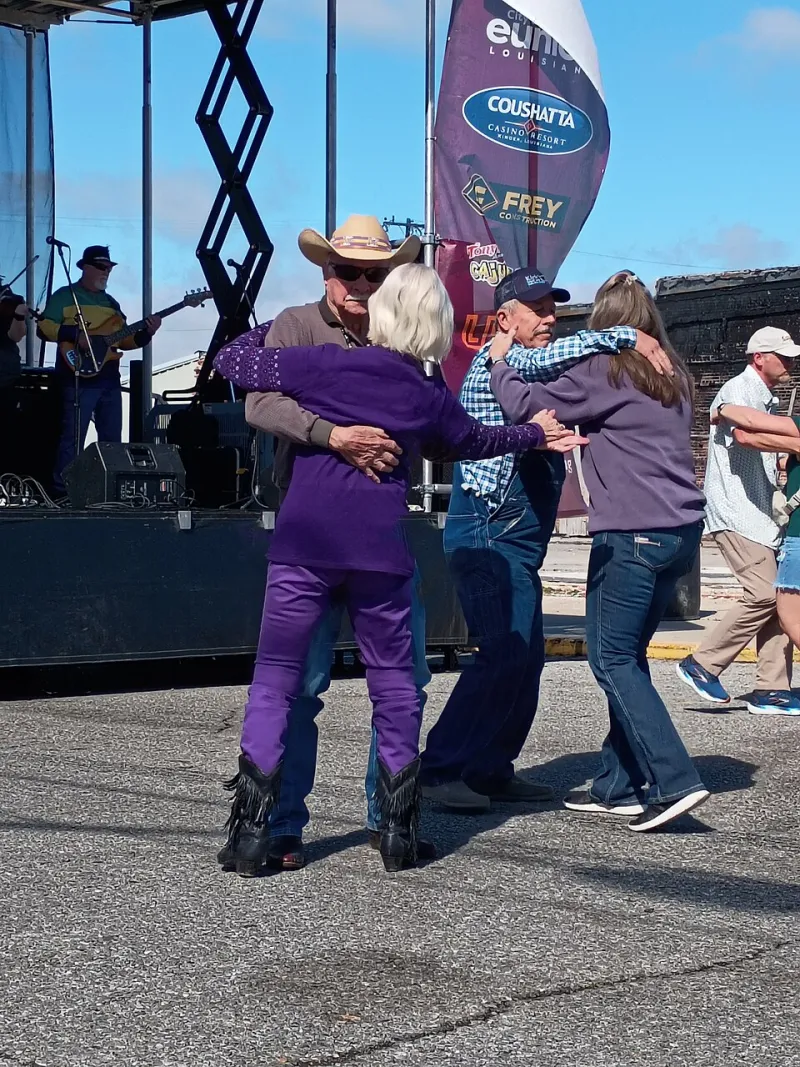
Photo: Paul Lowry, CC BY 4.0, via Wikimedia Commons
Some travelers collect museum tickets. We collect chances to dance badly in public. KataKali’s 2026–27 road trip is built around seven regional arts festivals where the dance floor isn’t fenced off—where workshops, community dances, and open jam sessions let you participate instead of spectate. The rules are simple: show up curious, ask before you join, and leave your assumptions at the gate.
This isn’t about becoming an expert in a weekend. It’s about learning enough to move with people, not at them. That means respecting the cultures that made the steps, supporting the artists who teach them, and understanding that some dances are sacred while others are social. The festivals below run the gamut—Appalachian flatfooting, Cajun two-step, Hawaiian hula, Mexican folklórico, and more—and each one has a way in for beginners.
How to Travel as a Participant (Not a Spectator)
First, learn one basic step before you go. YouTube is your friend, but keep it humble: watch a beginner tutorial, not a competition reel. Second, ask before joining a jam circle or workshop. A simple 'Is it okay if I try?' goes a long way. Third, dress for movement—comfortable shoes, layers, and nothing you can’t sweat in. Fourth, don’t film without permission. Fifth, buy something from the artists: a CD, a T-shirt, a zine, a class. That’s how local scenes stay alive.
And remember: participation doesn’t mean appropriation. If a dance is ceremonial or closed to outsiders, respect that. The festivals below all offer open workshops or community dances, but you still need to read the room.
The Seven Festivals
1. Festival International de Louisiane — Lafayette, LA (April 2027). Cajun and zydeco two-step. The festival is free and sprawling, but the real move is the dance workshops and the late-night jam sessions. Learn the basic two-step: step-close-step, then mirror your partner. Etiquette tip: make eye contact, offer a hand, and don’t critique anyone’s rhythm. Support local artists by buying zydeco records directly from the musicians.
2. Appalachian String Band Festival — Clifftop, WV (August 2027). Flatfooting and old-time music. This is a camping festival, and the dance happens in circles and on wooden platforms. Learn a basic flatfoot shuffle—heel-toe, heel-toe—and listen for the fiddle’s rhythm. Etiquette tip: jam circles are open, but ask before jumping in. Bring a chair, water, and bug spray. Support the scene by buying handmade instruments and CDs from the vendors.
3. Merrie Monarch Festival — Hilo, HI (April 2027). Hula. The competition is legendary, but the week also includes workshops and community classes. Learn basic hula steps—kaholo, hela—and a few Hawaiian greetings. Etiquette tip: hula is not a costume. Attend a workshop with a kumu hula, listen more than you talk, and never treat sacred dances as photo ops. Support local halau by buying from their fundraisers.
4. Fiesta San Antonio — San Antonio, TX (April 2027). Mexican folklórico. The city’s huge fiesta includes folklórico performances and dance workshops at Market Square and the Guadalupe Cultural Arts Center. Learn the zapateado basics—heel and toe taps—and the difference between regional styles. Etiquette tip: ask before joining a workshop; some are for registered participants. Support local dancers by buying from their bake sales and merch tables.
5. Lowell Folk Festival — Lowell, MA (July 2027). Multicultural dance workshops. This free festival is one of the most accessible entry points on the list, with workshops in contradance, Balkan dance, and more. Learn a basic contradance walk—it’s easier than it looks—and say yes when someone asks you to join a line. Etiquette tip: workshops are for everyone, but pay attention to the instructor. Support the artists by dropping money in the tip jars.
6. Northwest Folklife Festival — Seattle, WA (May 2027). Participatory folk dance. The festival’s dance stages and workshops are built for joining in, from Scandinavian polkas to East African dances. Learn one simple circle dance and you’ll be fine. Etiquette tip: follow the person in front of you, and don’t worry about mistakes. Support the festival by buying from the artisan vendors and donating at the gate.
7. Chicago Folk & Roots Festival — Chicago, IL (July 2027). Folk dance and music workshops. The Old Town School of Folk Music’s festival often includes dance lessons between sets. Learn a basic swing step or a Mexican son jarocho zapateado, depending on the year. Etiquette tip: workshops are casual, but listen to the caller. Support local teaching artists by signing up for a class after the festival.
What to Pack and What to Learn
Pack light: comfortable shoes, a water bottle, a small notebook, and a bandana for sweat. Learn one step from each tradition you’re curious about, but don’t try to master everything. The goal is to move with people, not to perform. If you’re traveling by car, build in rest days—dancing is physical work, and festival days are long.
How to Support Local Artists
Buy directly from musicians and dancers. Tip generously. Take a class after the festival. Share the artists’ work on social media. And if you’re a visitor, remember that you’re a guest: the scene belongs to the people who live there. Your job is to show up with respect, learn what you can, and leave the floor better than you found it.
The Road Trip Itinerary
If you’re doing the whole season, start in Lafayette in April, swing through San Antonio and Hilo (yes, that’s a flight), hit Seattle in May, Chicago and Lowell in July, and close with Clifftop in August. It’s a lot of dancing. But that’s the point: by the end, you’ll have a body full of rhythms and a list of artists to follow home.